Why Your Higher Power Might Need More Than a Light Bulb
In recovery, Step Two invites us to believe in a Power greater than ourselves. But what kind of power are we talking about? I invite you to consider three qualities that, in my experience, make a Higher Power meaningful and transformative.
1. Emotional Resonance
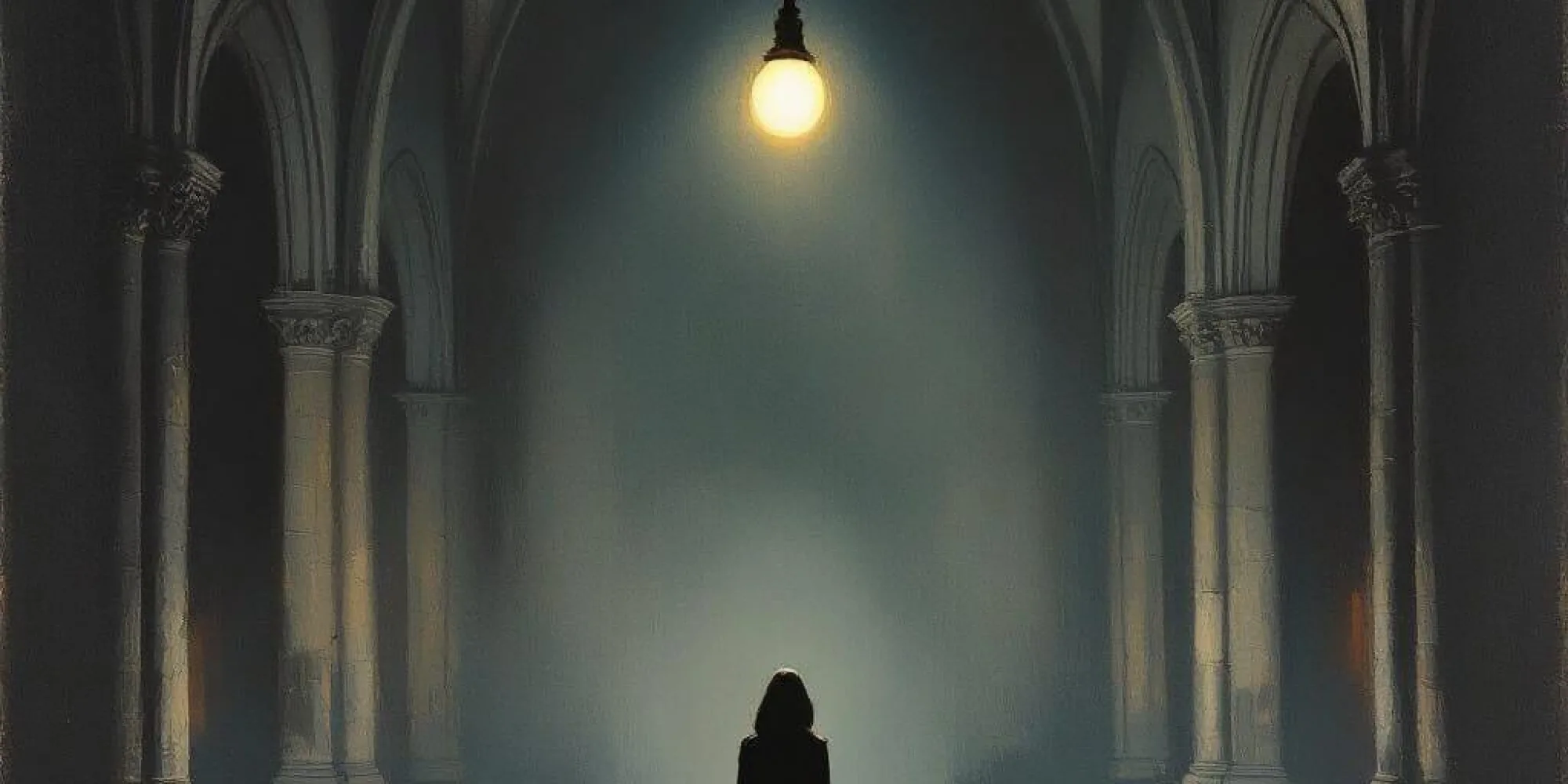
A Higher Power, whatever form it takes, ideally shapes the emotional landscape of your life. It evokes awe, humility, and connection. A light bulb might illuminate a room, but it cannot illuminate your soul. It’s worth asking: does your Higher Power stir something deeper in you?
2. Capacity for Forgiveness
The reading “Use Me” from Came to Believe touched on a powerful truth: the fear that God might stop helping because we’ve broken promises. But forgiveness is central to many spiritual traditions.
- In Christianity, Jesus’s death on the Cross is seen as the ultimate act of forgiveness—past, present, and future.
- In Catholicism, confession is a sacrament that reminds believers of grace and redemption, even if it’s sometimes joked about.
- In Judaism, forgiveness is deeply woven into the fabric of the faith. During Yom Kippur, the Day of Atonement, Jews seek forgiveness from both God and others. The process involves sincere repentance (teshuvah), prayer (tefilah), and charity (tzedakah).
- In Buddhism, the idea of “making merit” through good deeds and mindfulness is a way to balance karma and seek spiritual purification.
In AA, we see this principle lived out every day. Members relapse, return, and are welcomed with open arms. That’s forgiveness in action. That’s grace.
Gravitas Through Naming
Calling your Higher Power a “light bulb” or “doorknob” might seem clever—and for some, it’s a way to signal openness or simplicity. But I invite you to consider what might really be going on beneath that choice.
Often, this isn’t just a quirky metaphor—it’s a defensive posture. It’s a way to avoid confronting the discomfort of engaging with something sacred. For many, the idea of God has been tangled up with childhood images of a mystical man in the sky—white robes, beard, thunderbolts. That image feels absurd, even offensive. So instead of trying to elevate their concept of a Higher Power, they choose something deliberately mundane. It’s not just skepticism—it’s satire. It’s a way of saying, “If you believe in a man in the sky, I’ll believe in a light bulb.”
But this isn’t harmless. It’s a form of spiritual self-sabotage. Rather than reaching for something greater, it’s a way of dragging the whole idea of transcendence down to a level that feels safe, controllable, even mockable. It reminds me of the Russian parable: a man is granted one wish, but whatever he receives, his neighbor will get double. So he wishes to lose one eye—just to spite the neighbor. That’s what choosing a doorknob as a Higher Power can be: a wish made in resentment, not in hope.
And AA, unfortunately, doesn’t always have the tools to respond. Many old-timers—wise, compassionate, pragmatic, and deeply experienced—grew up in a time when formal education ended early. They speak from the heart, not from textbooks. I’ve heard many of them on old AA tapes say things like, “Your Higher Power can be anything—even the wall.” They’re trying to be inclusive, to keep the door open. And they’re doing the best they can with the tools they have.
But that’s exactly why we need to articulate this better—not to shame anyone, but to offer a more expansive vision. A Higher Power doesn’t have to be religious. It doesn’t have to be named “God.” But it should be something that lifts us up, not something chosen to mock the very idea of spiritual growth.
Even the word “Presence,” as one fellow described—a force that kept him from ending his life—is a name with weight. It’s not flashy. It’s not dogmatic. But it’s sacred.
PART IV

About Jason Bresnehan
Jason is the founder of Evahan, a consultancy dedicated to helping individuals and organizations build both financial and legacy wealth. With over 30 years of leadership across sectors and continents, he brings commercial acumen, strategic insight, and lived experience to every engagement. His work spans business transformation, venture management, and M&A, always grounded in a belief that ideas—shared with clarity, balance, and respect—can improve individuals, families, communities, and society.
A strong advocate for freedom, limited government, and enterprise-driven progress, Jason also draws deeply from his personal recovery journey—an experience that reshaped his life and fuels his commitment to growth, contribution, and principled living. Through writing, speaking, and service, he continues to learn, share, and speak with purpose.
I can be engaged (on a remunerated or volunteer basis) to sit on Boards, Committees, Advisory and Reference Group Panels, and to speak to Business, Community, and Youth groups. I’m also open to providing comment to media on topics where I have relevant experience or insight. Please feel free to make contact.