
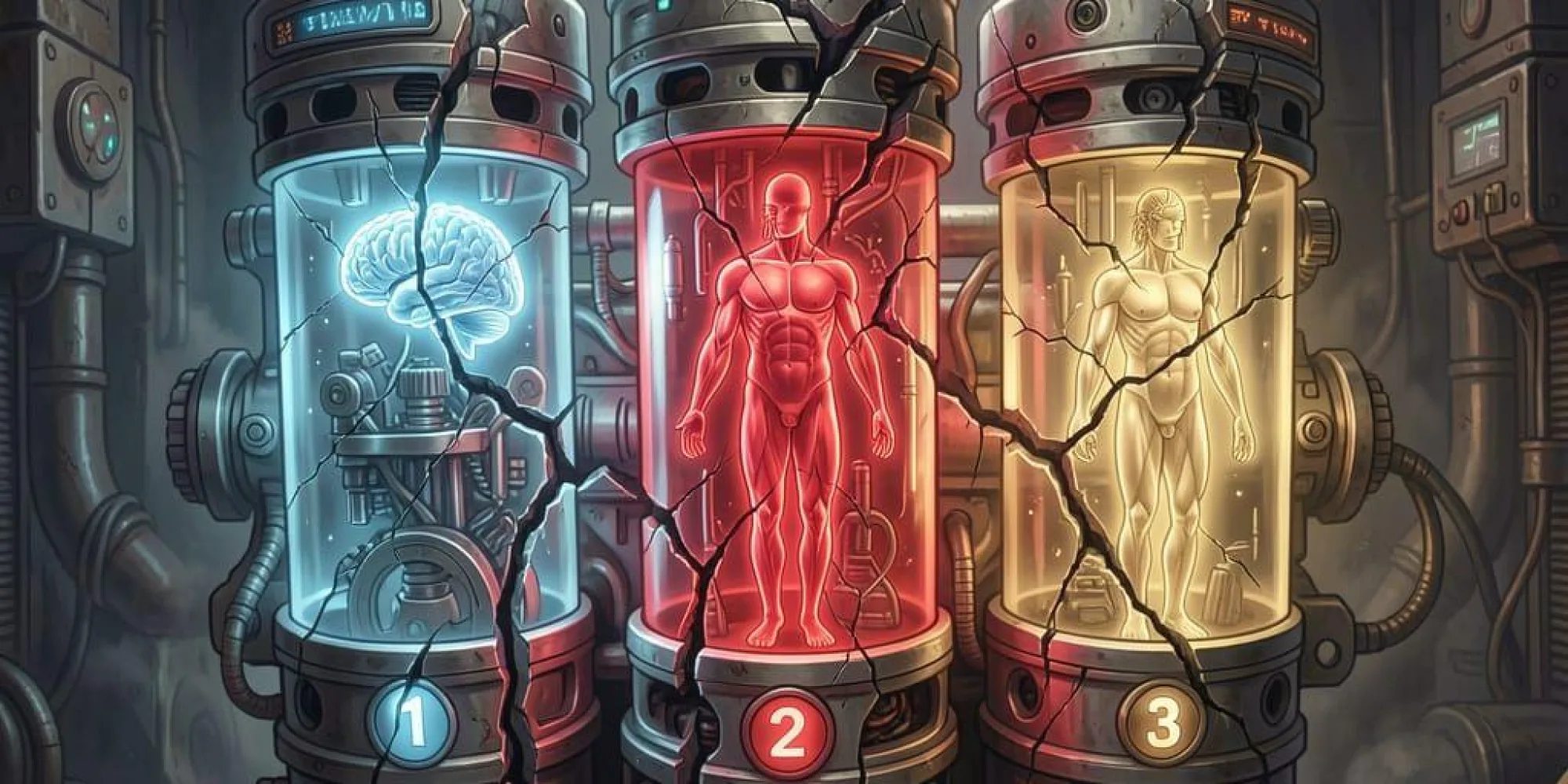
Three Cylinder Engine
Every person is born with a three‑cylinder engine — mind, body, soul — three cylinders designed to fire together. But in my alcoholic years, my engine wasn’t running on three. It wasn’t even running on two. It was running on the equivalent of one, because two cylinders were only half‑firing and the third wasn’t firing at all.
The mind cylinder and the body cylinder were still there, still moving, still trying — but they were dragging themselves along on contaminated fuel. And the contamination came in different colours and different accents, but it was always the same poison.
Sometimes the fuel was the dirty brown of whisky. Sometimes it looked clean, like vodka, but it wasn’t. Sometimes it was a dark red chemical spill called wine. And for a number of years it came with a French accent — Sauvignon Blanc, Chardonnay — as if the label could disguise what it was doing to the engine.
Different bottles. Different names. Same contamination.
The mind cylinder misfired. The body cylinder staggered. And the soul cylinder — the third one — wasn’t firing at all. No spark. No compression. Just a piston sitting idle in the dark.
So even though two cylinders were technically “running,” they were only producing the output of one. That’s why my life felt like it was powered by a single, choking, alcohol‑soaked pulse. A three‑cylinder engine behaving like a one‑cylinder machine.
And I thought that was normal.
Because when you’ve lived long enough on contaminated fuel, you forget what clean combustion feels like. You forget what horsepower feels like. You forget what movement feels like. You forget that the engine was ever designed to run any other way.
The rebuild didn’t happen in a single moment. There was no cinematic ignition. It was slow, mechanical, and ugly.
First the contamination stopped. Not because I suddenly became wise, but because I ran out of road. The engine didn’t “heal” — it stalled. And in the silence that followed, I finally heard the truth: the soul cylinder had been dead for decades.
Then the body cylinder started to clear. Not perfectly. Not instantly. Just enough to stop dragging. Enough to stand up without shaking. Enough to sleep without poisoning myself first.
Then the mind cylinder began to fire cleaner. Not sharper — just cleaner. Thoughts stopped slipping through my fingers. Decisions stopped being guesses. The fog lifted by millimetres, not metres.
And somewhere in that slow, reluctant climb back to life, the third cylinder — the soul — finally got spark. Not a flame. Not a blaze. Just spark. Enough to remind me it existed. Enough to remind me it had always existed. Enough to remind me that the engine was never meant to run on two compromised cylinders dragging a dead one behind them.
Only after all that — after the contamination stopped, after the body steadied, after the mind cleared, after the soul flickered back to life — did the engine finally begin to produce real horsepower again.
Not showroom horsepower. Not dyno‑tested horsepower. Just honest, clean, human horsepower.
Three cylinders. One engine. Alive.

About Jason Bresnehan
Jason writes in a modular, mind‑drift style that moves between business, recovery, faith, anthropology, and the oddities of everyday life without warning or apology. His work blends operator‑grade clarity with sideways narrative turns — the kind that start in a boardroom, drift through Scripture or Tasmanian riverbanks, and land in a piece of doctrine you didn’t see coming.
He has spent years helping organisations and people get unstuck, and his writing reflects the same instinct: take something messy, name it cleanly, and make it usable. His pieces — whether on addiction, Catholic symbolism, business operators, or human quirks — aren’t lectures. They’re field notes. Observations. Fragments designed for real people in real moments, including the tired executive delayed in an airport lounge at 11:45pm.
Jason publishes micro‑chapters as he writes them — standalone pieces that don’t follow a cadence or a theme. They accumulate over time into a larger body of work, shaped by curiosity, faith, operator discipline, and a refusal to perform — just get outcomes.
Founder of the Hadspen Foundation, Jason is committed to building frameworks for spiritual recovery that are both repeatable and personal. His writing is guided by discernment, narrative cadence, and the belief that doctrine should support—not overshadow—the human story.