

The Invisible Doctrine: Where Recovery Lives
As a child in the Catholic system, the word “invisible” was a convenient placeholder—an easy way to explain God to kids. Like Santa Claus or the Easter Bunny, it helped make the divine digestible. But even after I stopped believing in those childhood myths, I didn’t stop believing in God.
What I did do—especially in my teens—was quietly reclassify “invisible” as poetic. I kept the faith, but I filed that word under literary flourish. It sounded good in liturgy—“maker of all things visible and invisible”—but I treated it like a stylistic choice, not a theological anchor. And I carried that assumption for years.
It wasn’t until I’d spent enough time writing about recovery that the penny finally dropped.
The biggest curveballs in life—the ones that derail us, define us, or deliver us—don’t come from the visible. Everyone understands physical tragedy. We rally around visible hardship. We measure success in visible terms: money, status, achievement. But the real battles? The ones that shape our spiritual architecture? They’re invisible.
Hubris. Intolerance. Spiritual fatigue. Hope. Forgiveness. Clarity. These don’t show up on scans or spreadsheets. They live in the 80% bracket—the invisible terrain I quote so often when referencing the 80/20 rule. Most of our happiness, most of our suffering, most of our spiritual ignition happens in the unseen.
And that’s where Colossians 1:16 lands with doctrine-grade weight: “For in him all things were created… things visible and invisible.” That’s not poetic. That’s architectural. That’s a blueprint for recovery.
God doesn’t just dabble in the unseen. He architects it. He governs it. He redeems it.
That truth reframes everything. It means:
- I’m not crazy for fighting battles no one sees.
- I’m not weak for needing help in the invisible zones.
- I’m not alone in the terrain no one maps.
Recovery lives in the invisible. And God lives there too.
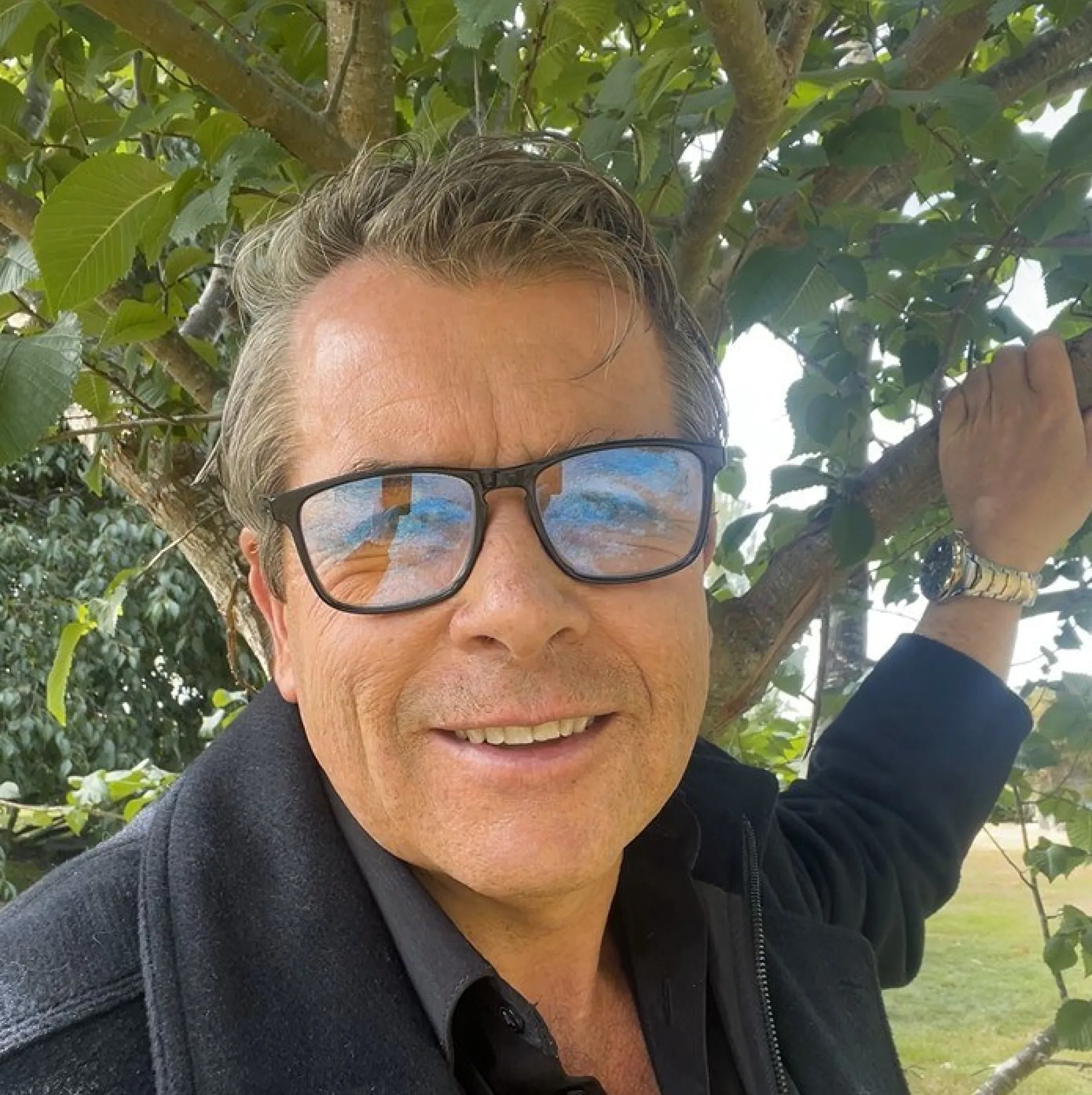
About Jason Bresnehan
Jason is a fixer—of businesses, of broken momentum, and occasionally of entire spiritual frameworks gone sideways. He speaks fluent boardroom and AA, deploys Catholic doctrine with the subtlety of a scalpel, and isn’t afraid to lace his insights with both war-room metaphors and dad-sermon tenderness.
Founder of Evahan, a consultancy built on the idea that legacy and liquidity don’t need to fight, Jason draws on 30 years of commercial grit, tactical leadership, and emotional radar to help people rebuild what entropy took. He works with companies, communities, and recovery misfits alike—often using the same principles to sort both cap tables and chaotic lives.
Jason draws deep inspiration from historical figures who got results—especially those who led from the margins, built with scarce resources, and refused to be shackled by conventional wisdom. He’s known for assembling unorthodox teams of passionate experts to solve complex problems in chaotic environments. Whether in boardrooms, recovery communities, or legacy disputes, Jason’s approach is rooted in common purpose, tactical innovation, and the belief that clarity thrives when paradigms are challenged.
A strong advocate for freedom, limited government, and enterprise-driven progress, Jason also draws deeply from his personal recovery journey—an experience that reshaped his life and fuels his commitment to growth, contribution, and principled living. Through writing, speaking, and service, he continues to learn, share, and speak with purpose.
I can be engaged (on a remunerated or volunteer basis) to sit on Boards, Committees, Advisory and Reference Group Panels, and to speak to Business, Community, and Youth groups. I’m also open to providing comment to media on topics where I have relevant experience or insight. Please feel free to make contact.