
Loneliness, Disconnection, and the Unexpected Grace of Companionship
Today’s AA meeting centered on a powerful and universal theme: loneliness. The topic emerged from a reading in As Bill Sees It, and what followed was a series of deeply moving shares.
Some spoke of the terror of loneliness in the depths of full-blown alcoholism. Others reflected on the quieter, more subtle loneliness that can surface in early sobriety—when the bottle is gone, but the void remains.
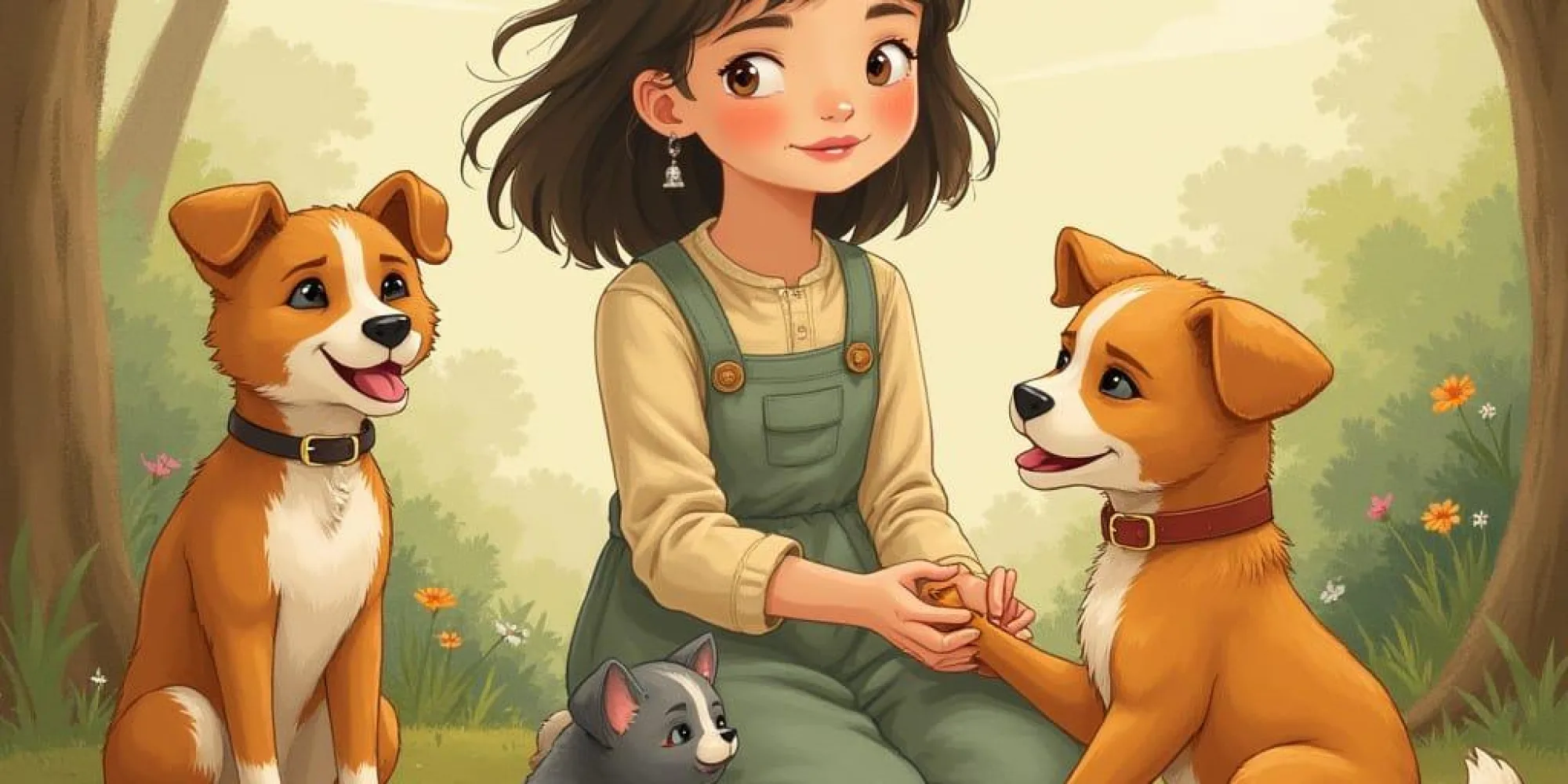
Three particularly heartfelt stories involved beloved pets. One young woman, “G,” shared the raw grief of losing her dog—her best friend—just the day before. During her daughter’s first birthday party, a gate was accidentally left open. Her dog ran out and was tragically hit by a car. The pain in her voice was palpable, and her courage in sharing it was a gift to everyone in the room.
Another member, “K,” told a story that left many of us breathless. He was writing the final line of a suicide note, a pistol beside him where a coffee cup should have been. At that moment, his cat jumped onto the desk—interrupting the act, breaking the spell. That cat became a circuit breaker. A moment of grace. A life saved.
These stories reminded me of my own experience with loneliness—especially during my pre-AA drinking days. I call that stage Disconnection.
This is where I lost myself. I became completely disconnected—from God, from purpose, from people. I was spiritually bankrupt. I’d sit alone at home, headphones on, watching the same music videos over and over again. I wasn’t living—I was just numbing. I was isolated, hollow, and lost.
In those days, disconnection swung like a pendulum. On one end: isolation. On the other: superficial hyper-connection—bar drinking, pool games, dancing. Somewhere in the middle was the “sweet spot” of just enough alcohol to schmooze at business events, keep it together, then escape home to “murder” a bottle of whisky in solitude.
Two truths have become clear to me:
- Alcohol doesn’t relieve loneliness—it amplifies it.
- Loneliness is a natural human experience. Sobriety doesn’t make us immune.
In recovery, we need tools to navigate loneliness. Music can soothe, but it’s often a temporary balm—an endorphin blur. Real healing comes from connection.
- Connect with people. AA is a community built on empathy. When loneliness hits, go to a meeting. Let others hold space for you.
- Connect with other communities. It might feel awkward at first. That’s okay. Take baby steps. Build incremental, meaningful connections.
- Disconnect from fake communities. Social media can masquerade as connection, but it often delivers the opposite. It’s a world of instant gratification, trolls, and binary validation. It’s not real presence.
Loneliness is part of the human condition—but so is connection. And in recovery, we get to choose which one we lean into.
PART I Disconnection

About Jason Bresnehan
Jason is the founder of Evahan, a consultancy focused on helping individuals and organizations build both financial and legacy wealth. With over 30 years of leadership across industries and continents, he brings a rare blend of commercial acumen, strategic clarity, and lived experience. His work spans business transformation, venture management, and M&A—but always with a human lens. Jason believes that ideas, when shared with honesty and humility, can shape better outcomes for people, families, and communities.
A strong advocate for freedom, limited government, and enterprise-driven progress, Jason also draws deeply from his personal recovery journey—an experience that reshaped his life and fuels his commitment to growth, contribution, and principled living. Through writing, speaking, and service, he continues to learn, share, and speak with purpose.
I can be engaged (on a remunerated or volunteer basis) to sit on Boards, Committees, Advisory and Reference Group Panels, and to speak to Business, Community, and Youth groups. I’m also open to providing comment to media on topics where I have relevant experience or insight. Please feel free to make contact.