
Linen and Lyrics
When the Cloth Speaks, and a Song Answers
In John 20, Peter doesn’t just see emptiness—he sees evidence. Linen cloths lie there, folded, separate. It’s not chaos. It’s choreography.
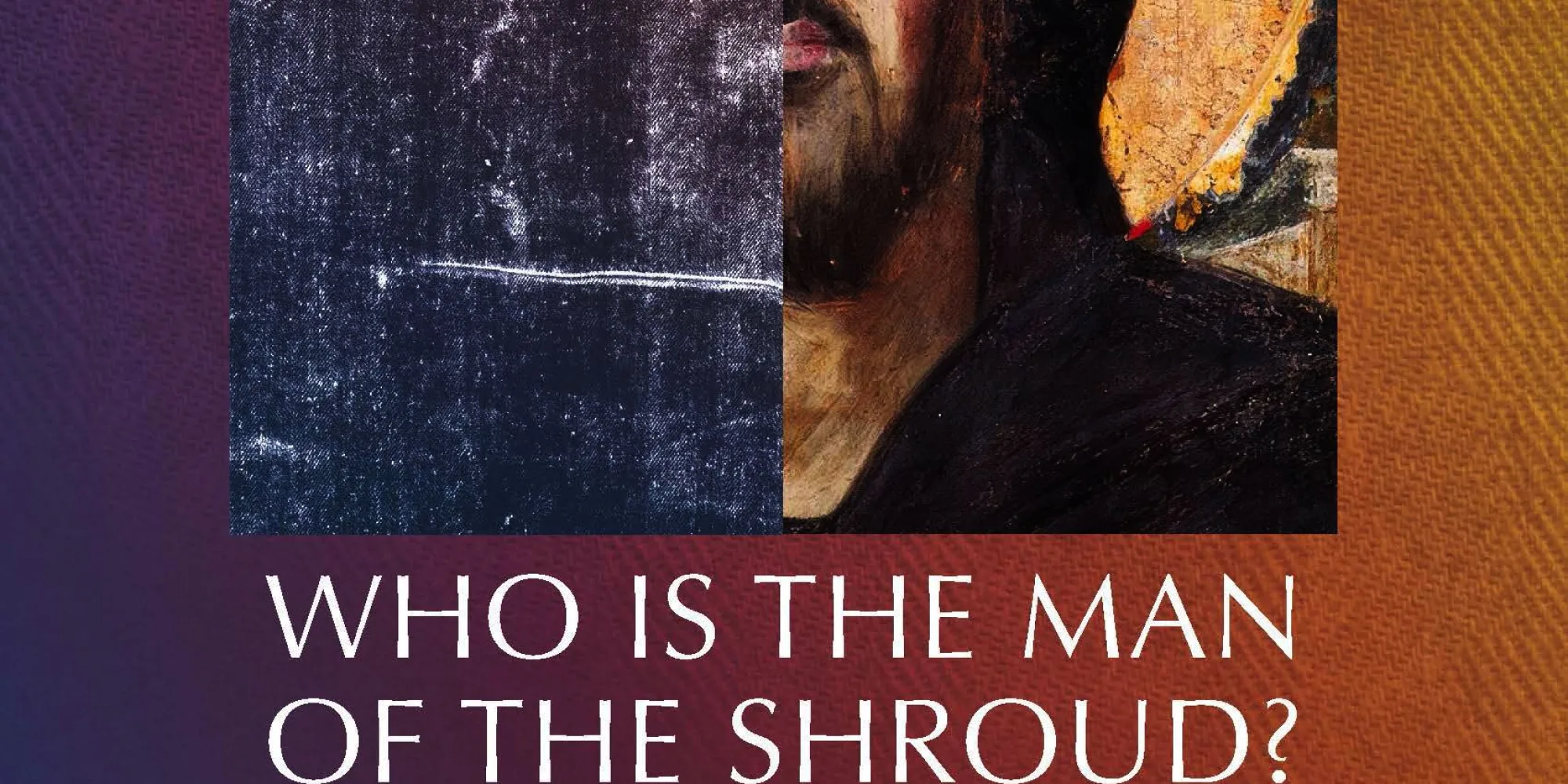
For the Fixer, this scene isn’t forensic—it’s foundational. The Shroud of Turin, relic or replica, speaks in symbols. It whispers of spiritual telemetry: the imprint of suffering, the echo of resurrection, the residue of divine order.
We don’t need authentication to hear its invitation. The cloth speaks of a body once broken and a spirit now risen. And then it asks the ancient question:
“Who do you say that I am?”
This question doesn’t only belong to Peter—it loops across time, back to Moses and the burning bush, forward to confession booths and quiet sanctuaries. It has a soundtrack now.
Your own spiritual awakening happened on that familiar Tasmanian road—the Bass Highway outside Launceston. A stretch woven with memory and meaning. And the moment came not through signs and wonders, but through a song: Brooke Ligertwood’s “Who You Say I Am.”
“Who the Son sets free is free indeed…”
It wasn’t new. But this time, something shifted.
That lyric didn't simply echo—it opened. You were sober. You were whole. You were free.
Suddenly, the Church of Apostles wasn’t just a building of past rites—it was the altar where God had waited. Not with fanfare, but with fidelity.
And just next door, on soil where your story first took root, AA Launceston gathers.
Same street. Same sacred geography. New eyes.
The Fixer begins here. Not with proof, but with presence. Not with relics, but with readiness. And perhaps with one whispered refrain beneath the folded cloth:
You are who I say you are.

About Jason Bresnehan
Jason Bresnehan is a fixer—of businesses, of broken momentum, and occasionally of entire spiritual frameworks gone sideways. He speaks fluent boardroom and AA, deploys Catholic doctrine with the subtlety of a scalpel, and isn’t afraid to lace his insights with both war-room metaphors and dad-sermon tenderness.
Founder of Evahan, a consultancy built on the idea that legacy and liquidity don’t need to fight, Jason draws on 30 years of commercial grit, tactical leadership, and emotional radar to help people rebuild what entropy took. He works with companies, communities, and recovery misfits alike—often using the same principles to sort both cap tables and chaotic lives.
He’s finalising his first book—a memoir-in-doctrine forged in the trenches of alcoholic recovery, endurance motorsport obsession, and spiritual trench marches. That book, partly teased on his Pursuit of Luck blog, is the cornerstone of a broader movement to connect practical wisdom with satirical grit, spiritual heat, and a recovery roadmap lined with breadcrumbs and tactical grace.
He hasn’t accepted a book deal yet. He’s waiting to find an agent with the right blend of shared craziness—someone fluent in spiritual paradox, recovery warfare, and satire laced with spreadsheet rigor. Because Jason’s writing doesn’t sit in a genre.
It accelerates between them. His work echoes with tones of:
- Liturgical recovery memoirs that swap incense for henna tattoos and serenity for tactical doctrine
- Fixer theology, where the Four Foundation Stones wear combat boots and surrender is something you fight for
- Business noir, told through deal sheets, war metaphors, and philosophical whiplash
- And field manuals for misfits, blending Catholic teachings with AA trench wisdom, narrated like a Wes Anderson fever dream with Mark Wahlberg voiceovers
When Jason writes, the reader isn’t just entertained. They’re recalibrated. When he speaks, the crowd doesn’t just listen. They shift posture. When he fixes, the thing stays fixed.
If you’re wondering what he does, the answer is this:
He helps people fix what they didn’t think could be fixed.
Then he points them toward grace—and lets the luck decide the tempo.