
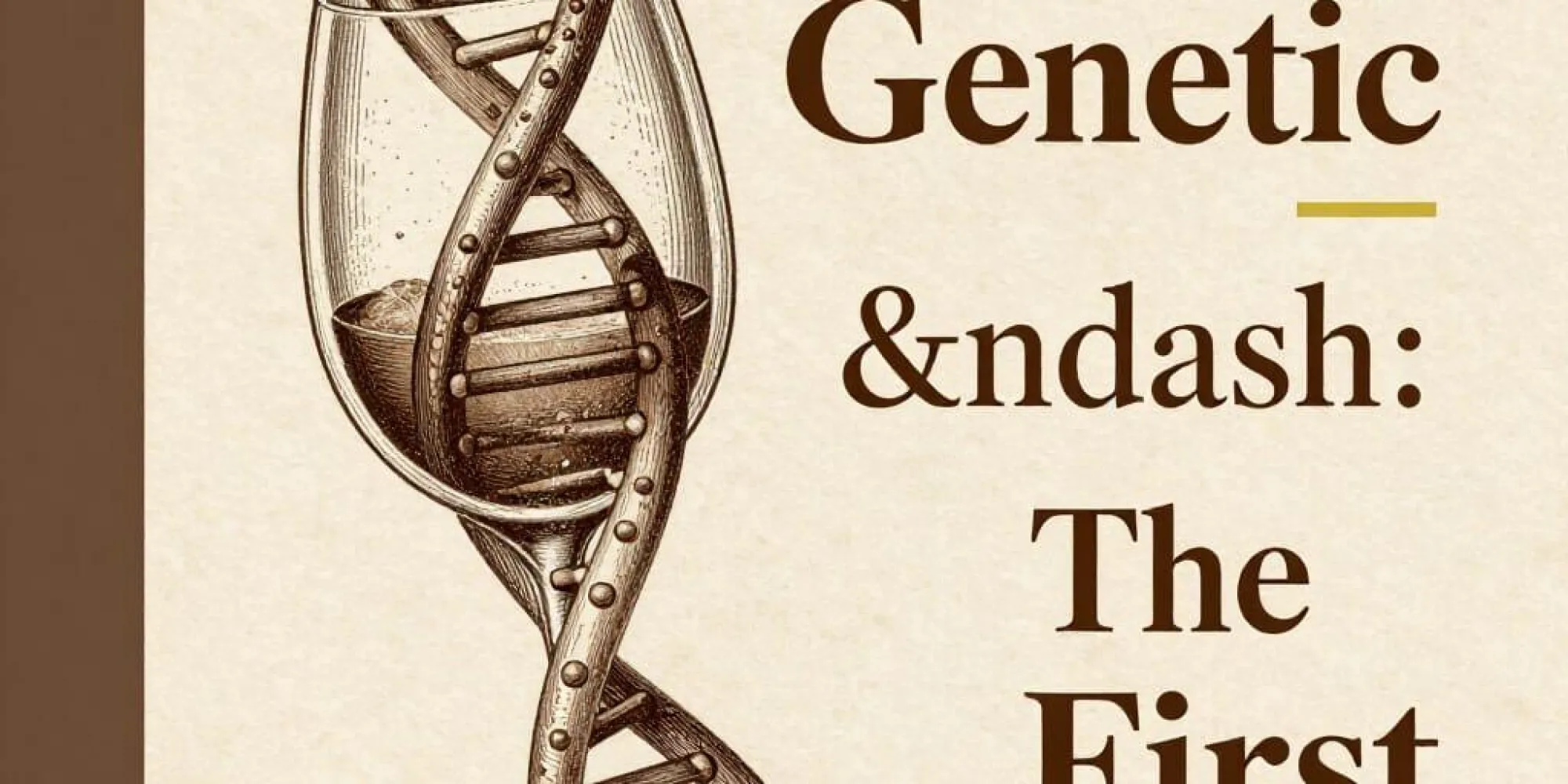
Is Alcoholism is Genetic – The First Prong
Genetic research suggests that alcoholism carries a significant hereditary component, though environment also plays a major role. For decades, geneticists have asked whether alcoholism is “in the blood.” The jury is still out on a single definitive gene, but the evidence points strongly toward heritability.
Studies consistently show that roughly half the risk for developing alcohol use disorder (AUD) can be traced to genetic factors. The most famous and comprehensive effort in this field is the Collaborative Study on the Genetics of Alcoholism (COGA), launched in the early 1990s. COGA examined families densely affected by alcoholism and compared them with control families, generating vast genetic and behavioral datasets that remain foundational today.
The project identified variations in genes related to alcohol metabolism — such as ADH and ALDH — and dopamine signaling — such as DRD2 — which influence how individuals respond to alcohol and their susceptibility to dependence. These genetic variations don’t guarantee alcoholism, but they tilt the odds, shaping how the body processes alcohol and how the brain experiences reward.
More recent work has emphasized that genetic risk interacts with psychiatric and environmental factors. In other words, while genes may load the gun, life circumstances often pull the trigger. Stress, trauma, social environment, and mental health conditions can all magnify or mitigate genetic predisposition.
This is the first prong of what drives alcoholism: the recognition that genetics play a powerful role. It is never purely genetic, but it emerges from a complex interplay of biology, psychology, and environment. Genes set the stage, but lived experience writes the script.
Genetics may tilt the odds, but they never dictate destiny. To acknowledge a hereditary component is not to surrender to it — it is to name the challenge honestly. Alcoholism is not an excuse written in DNA; it is a condition that demands physical, emotional, and spiritual growth to overcome. Genes can load the gun, but life choices, recovery practices, and community support decide whether it fires.
That is why the first prong of understanding alcoholism is genetic awareness — not as a reason to give up, but as a reminder that excuses have no treatment. What matters is how we respond: by facing the risk, labeling it clearly, and committing to the work of recovery.

About Jason Bresnehan
Jason is a writer and recovery advocate whose work explores the intersection of Catholic faith and the lived experience of addiction. His books and essays weave scripture with the rhythms of everyday life, showing how grace can surface in the most ordinary encounters.
Through A Catholic Gospel Journey – Through the Lens of Alcohol Recovery and related projects, Jason offers reflections that connect the Sunday readings to the struggles and victories of recovery. His approach is rooted in clarity, rhythm, and respect for tradition, while remaining accessible to those navigating the challenges of addiction and renewal.
Founder of the Hadspen Foundation, Jason is committed to building frameworks for spiritual recovery that are both repeatable and personal. His writing is guided by discernment, narrative cadence, and the belief that doctrine should support—not overshadow—the human story.