
Group Think Gone Mad
Apple, in its infinite Cupertino wisdom, has just removed the ability to see the time in a solid, readable font on the Lock Screen in iOS 26. Only a billion people glance at it every day, so… who cares, right?
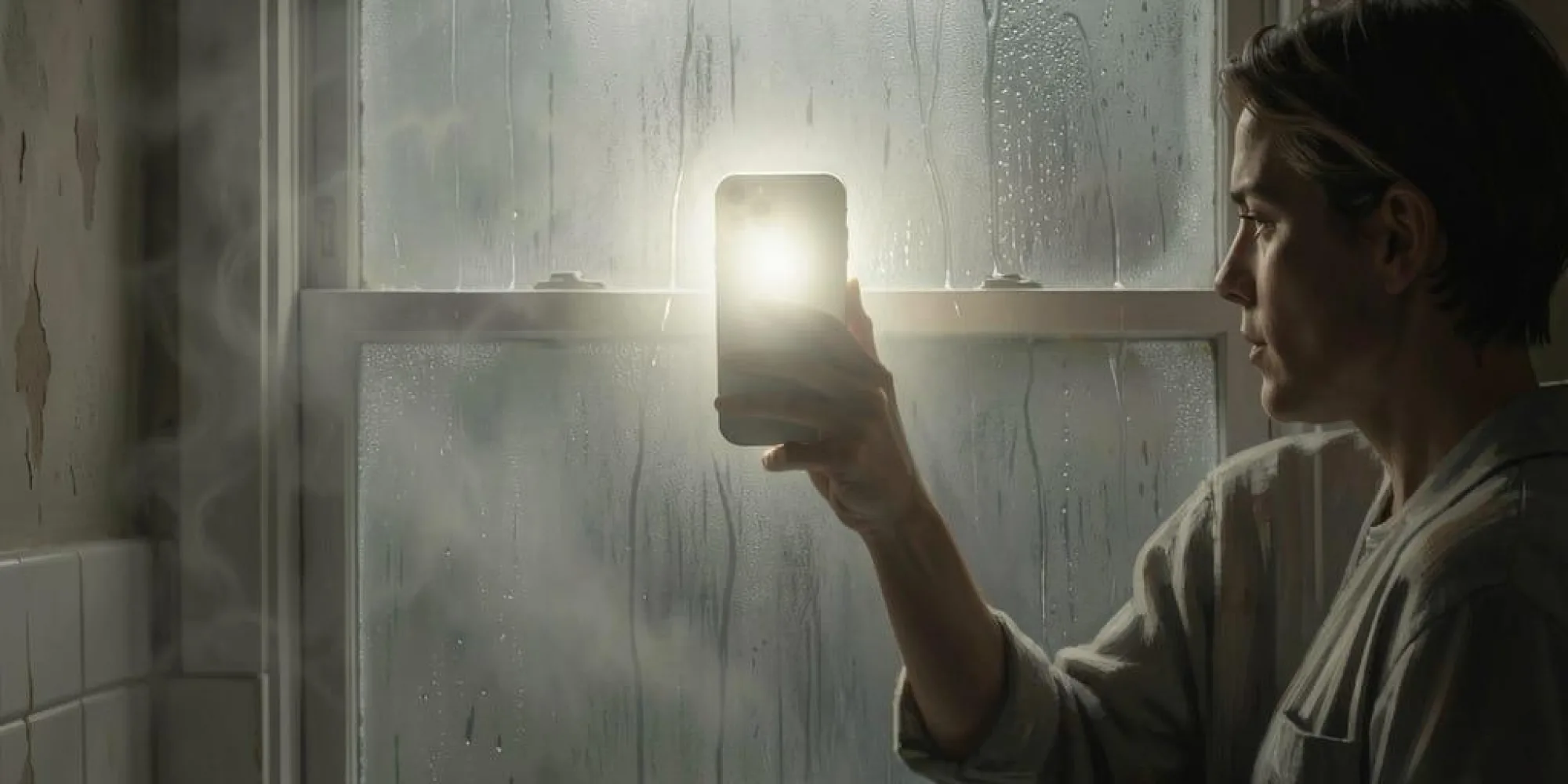
If you’re nineteen with 20/20 vision, maybe the new “liquid glass” aesthetic gives you a little dopamine hit. For the rest of us, it’s like trying to read the time through a bathroom window.
My imagination goes straight to the final iOS 26 design meeting.
A sleek white studio.
A circle of black‑skivvy “visionaries.”
Ambient synth humming like a wellness retreat for fonts.
A giant 8K screen showing a Lock Screen mock‑up that no human has ever used outdoors.
They’re all nodding at each other like they’ve just reinvented oxygen.
Then—from the back of the room—a quiet voice:
“Um… sorry… but… people need to read the time?”
She’s holding an iPhone at arm’s length, squinting.
She is the only person in the room who has ever looked at a phone in sunlight.
Silence.
The lead designer slowly removes his glasses, pained, like someone has just suggested using Comic Sans.
“You’re fired.”
And the room exhales in relief, because the threat of practicality has been neutralised.

About Jason Bresnehan
Jason writes in a modular, mind‑drift style that moves between business, recovery, faith, anthropology, and the oddities of everyday life without warning or apology. His work blends operator‑grade clarity with sideways narrative turns — the kind that start in a boardroom, drift through Scripture or Tasmanian riverbanks, and land in a piece of doctrine you didn’t see coming.
He has spent years helping organisations and people get unstuck, and his writing reflects the same instinct: take something messy, name it cleanly, and make it usable. His pieces — whether on addiction, Catholic symbolism, business operators, or human quirks — aren’t lectures. They’re field notes. Observations. Fragments designed for real people in real moments, including the tired executive delayed in an airport lounge at 11:45pm.
Jason publishes micro‑chapters as he writes them — standalone pieces that don’t follow a cadence or a theme. They accumulate over time into a larger body of work, shaped by curiosity, faith, operator discipline, and a refusal to perform — just get outcomes.
Founder of the Hadspen Foundation, Jason is committed to building frameworks for spiritual recovery that are both repeatable and personal. His writing is guided by discernment, narrative cadence, and the belief that doctrine should support—not overshadow—the human story.