
Anxiety, Alcohol, and the Gap We Try to Close
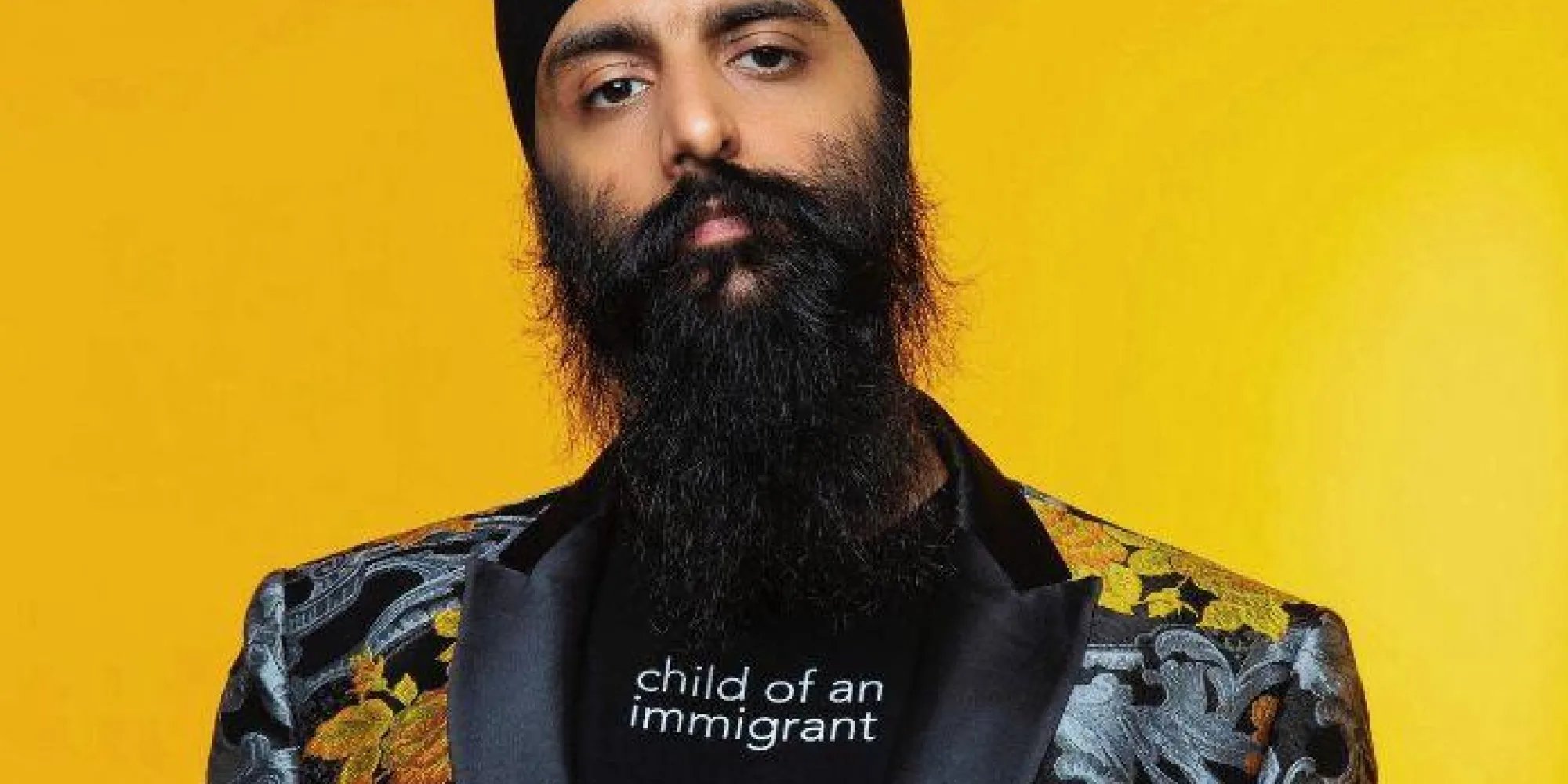
In Unlearn: Unanxious, author and artist Humble the Poet shares a series of reflections on how to live with more calm and less stress. Among them, three ideas about anxiety stood out to me—especially as someone in recovery from alcoholism.
Here’s how I interpret his message:
- You cannot think your way out of anxiety—you must act your way out of it.
- Anxiety is the gap between your overestimation of a fear and your underestimation of your ability to overcome it.
- Anxiety is a natural part of being human. You can’t eliminate it, but you can manage it by closing that gap.
These ideas struck a deep chord. One of the root causes of my drinking was anxiety. Alcohol, for a time, seemed to close that gap:
- My confidence in my ability to overcome fear increased (or so I believed).
- My perception of the fear itself diminished.
But it was a false fix. Because in the sober light of day, the gap hadn’t closed—it had widened. Physically, I might be nursing a hangover. Emotionally, I might be ashamed. Spiritually, I felt even further from peace. My ability to face the fear had actually decreased.
It’s a bitter irony: the very thing I used to reduce anxiety ended up reinforcing it.
What’s powerful about Humble’s framing is that it reminds us:
We are not broken. We are not alone. We are not unique in our suffering.
Anxiety is not a defect—it’s a human condition. And the gap it creates is something all people experience.
But for alcoholics, the lens is often blurred. The sharp edges of fear are softened by drink—but only for a moment. The real work is in learning to manage that gap without alcohol. That means:
- Taking action, even when we don’t feel ready.
- Building confidence through lived experience, not imagined outcomes.
- Accepting that anxiety will visit, but it doesn’t have to stay.
As Humble the Poet encourages, we must “stop overthinking and start doing—because clarity and calm often come through movement, not mental loops.” That’s a principle echoed in AA too: don’t overthink—act. Do the next right thing.
Recovery teaches us that we don’t walk this path alone. And with tools like the 12 Steps, spiritual principles, and insights like those from Humble the Poet, we can learn to live with anxiety—not be ruled by it.
part v inventory

About Jason Bresnehan
Jason is the founder of Evahan, a consultancy dedicated to helping individuals and organizations build both financial and legacy wealth. With over 30 years of leadership across sectors and continents, he brings commercial acumen, strategic insight, and lived experience to every engagement. His work spans business transformation, venture management, and M&A, always grounded in a belief that ideas—shared with clarity, balance, and respect—can improve individuals, families, communities, and society.
A strong advocate for freedom, limited government, and enterprise-driven progress, Jason also draws deeply from his personal recovery journey—an experience that reshaped his life and fuels his commitment to growth, contribution, and principled living. Through writing, speaking, and service, he continues to learn, share, and speak with purpose.
I can be engaged (on a remunerated or volunteer basis) to sit on Boards, Committees, Advisory and Reference Group Panels, and to speak to Business, Community, and Youth groups. I’m also open to providing comment to media on topics where I have relevant experience or insight. Please feel free to make contact.